

Brakes 6.04
Bedding in pads and rotors
New pads and rotors don't stop at full power straight away. Bedding in lays a thin, even layer of pad material onto the rotor, and that's what gives you a strong, quiet brake. It takes ten minutes, and you only do it once per set of pads.
Get the printable PDFWhat you're aiming for
Bedded in
An even grey layer on the rotor. Strong, quiet and predictable.
Glazed
Shiny pads from dragging the brake. Weak. Sand the pads lightly and bed them in again.
Contaminated
Oil or brake fluid on the pads. Replace the pads and clean the rotor with alcohol.
Bedding in
- Find a safe, quiet flat stretch or a gentle slope, away from traffic.
- Do 20 stops from about 20 km/h, braking firmly to walking pace, not to a stop. Stay seated.
- Then 10 harder stops from about 30 km/h, again to walking pace. Never lock the wheel.
- Let them cool, then ride normally. The brakes should feel strong and quiet.
Do and don't
| Do | Don't |
|---|---|
| Brake firmly and smoothly | Drag the brake gently down a long hill |
| Slow to walking pace | Come to a dead stop, or lock the wheel |
| Bed in new pads and new rotors | Touch the pads or rotor with oily fingers |
| Clean rotors with isopropyl alcohol | Spray lube or degreaser near the brakes |
Routine from SRAM's published bed-in procedure. Shimano's is similar: firm stops, not too hard, repeated until the brake feels right.
Rotor and pads
| New | Bed in |
|---|---|
| Pads only | Yes |
| Rotor only | Yes |
| Both | Yes |
Tools
- Isopropyl alcohol and a clean rag
- Gloves
- Fine sandpaper for glazed pads
Things that catch people out
- Squeal after bedding in often means contamination. Clean the rotor and check the pads.
- Resin and sintered pads bed in the same way. Sintered take a few more stops.
- A new rotor with old pads still needs bedding in.
- Glazed pads come from dragging, not hard braking. Brake firmly, then let go.
From the workshop
If you fit your own pads, ten minutes on a quiet road is all it takes. Skip it and the brakes feel weak for weeks. If you'd rather I fitted them, they go back to you bedded in.
Michael
Book it inBrake pads in the shop
See them all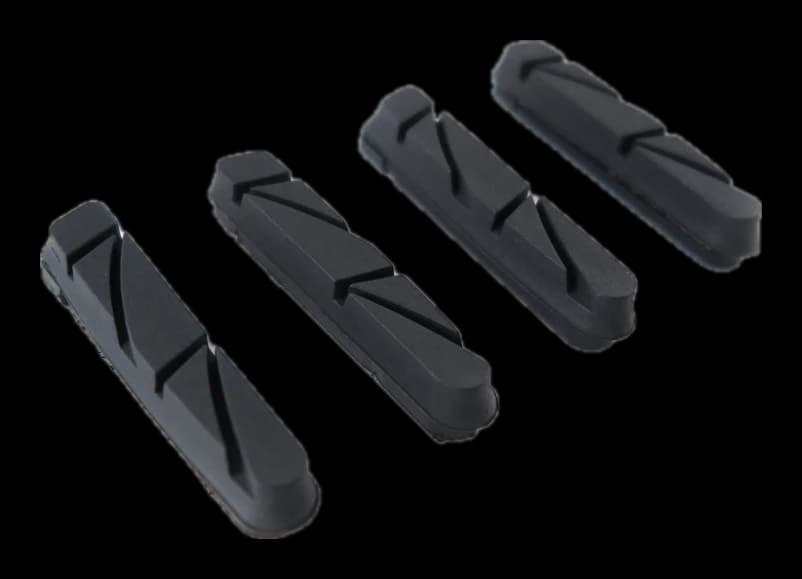
Not sure which fits? Send us your bike's make, model and year and we'll tell you.
Get the printable PDF
The same guide on two A4 pages, to print for the workshop or keep on your phone. Leave your email and we'll send the link. It unlocks every guide in the library on that device.
Already unlocked on this device? Download the PDF
This guide is general advice for home mechanics. Bikes and parts vary, so always follow the maker's instructions and torque settings for your parts. If you're not sure, or the job needs tools you don't have, ask a qualified mechanic. Travers Bikes can't be responsible for work you carry out yourself. Nothing here affects your legal rights. Sizes checked 17/11/2026 against SRAM's and Shimano's bed-in advice.