

Forks and cockpit 2.01
Steerers, star nuts and bungs
The top of the fork holds the stem, sets the headset and decides how high your bars sit, and most of it is hidden. This is a straightforward guide to help lift the mystery: what each part does, which plug your fork needs, and what to check before you cut the steerer.
Get the printable PDFThree ways to fix a stem
Star nut
Sprung barbs grip the inside of an alloy or steel steerer. The top cap bolt pulls on it.
Expanding plug
Expands against the inside of the steerer instead of digging in. Use one in carbon steerers.
Quill stem
On older threaded forks the stem slides inside the steerer and a wedge locks it.
Which one have I got?
- Check the fork's original spec, or the maker's website, for the steerer material and size. Carbon steerers are often black and matt inside.
- Measure the steerer with callipers just above the headset. 28.6 mm (1 1/8") is by far the most common.
- Look inside the steerer. A star nut has two rows of barbs. An expanding plug has a bolt and a split sleeve.
- Set your bar height before you cut. Ride it with spacers for a while, then cut. You can't put length back.
Steerer sizes
| Size | mm | You'll often find it on |
|---|---|---|
| 1" | 25.4 | Older road bikes and kids' bikes |
| 1 1/8" | 28.6 | Most bikes, and the top of tapered steerers |
| 1 1/4" | 31.8 | Some mountain bikes, tandems and carbon forks |
| 1.5" | 38.1 | The bottom of tapered steerers, some downhill forks |
What holds what
| Part | Its job |
|---|---|
| Top cap and star nut | Set the bearing preload |
| Stem bolts | Hold the fork in |
| Spacers | Set the bar height |
| Headset | Let the fork turn |
Tools
- Vernier or digital callipers
- Pipe cutter or fine saw with a cutting guide
- Star nut setter
- Torque wrench
Things that catch people out
- Never put a star nut in a carbon steerer. It's made to dig into the tube, which damages carbon. Use an expanding plug.
- The top cap doesn't hold the fork. Set the preload with the top cap, then tighten the stem bolts.
- You can't put length back. Cut the steerer too short and you can't raise the bars without a new fork.
- Check the fork maker's spacer limit. Many forks have a maximum height of spacers under and over the stem.
- Quill stems have a minimum insert line. It must stay inside the steerer.
From the workshop
Don't cut the steerer the day you get the fork. Ride it with spacers for a few weeks, find the bar height you like, then cut. If you'd rather not cut it yourself, bring it in and we'll do it with the right guide and saw.
Michael
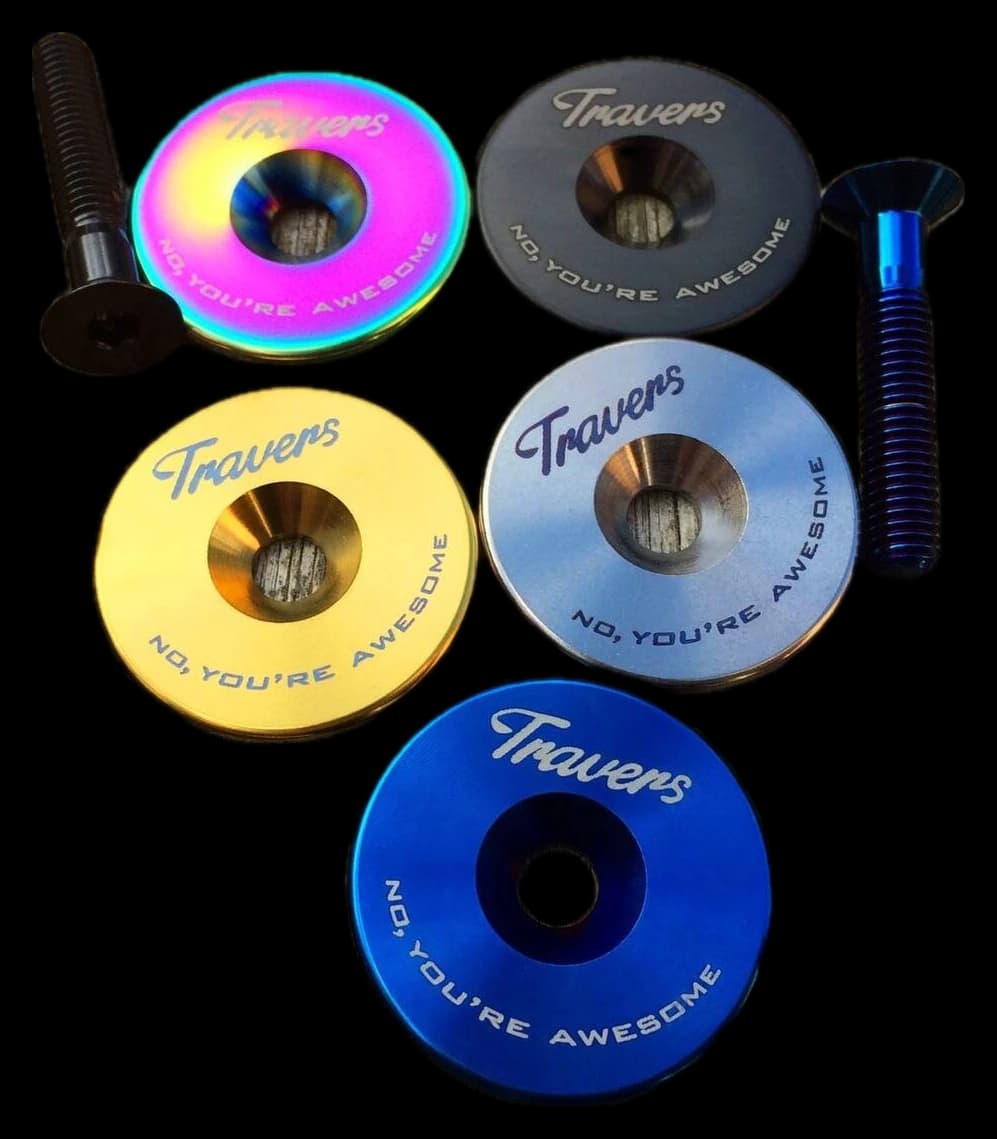
Book it inTop caps and bungs in the shop
See them all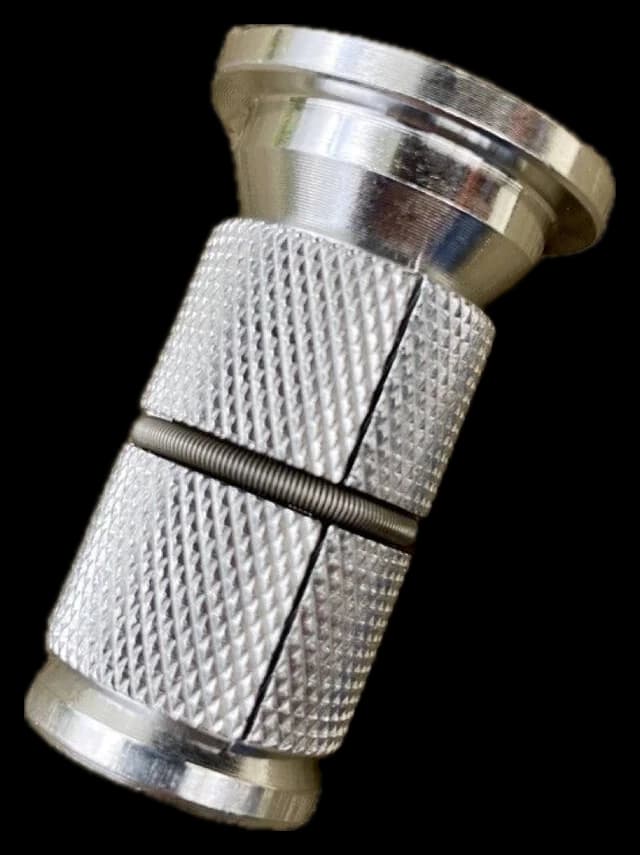
Not sure which fits? Send us your bike's make, model and year and we'll tell you.
Get the printable PDF
The same guide on two A4 pages, to print for the workshop or keep on your phone. Leave your email and we'll send the link. It unlocks every guide in the library on that device.
Already unlocked on this device? Download the PDF
This guide is general advice for home mechanics. Bikes and parts vary, so always follow the maker's instructions and torque settings for your parts. If you're not sure, or the job needs tools you don't have, ask a qualified mechanic. Travers Bikes can't be responsible for work you carry out yourself. Nothing here affects your legal rights. Sizes checked 16/11/2026 against Wikipedia's headset and stem articles (from Sheldon Brown).